Choosing the right laser distance meter for home, renovation and building site
Looking for a laser distance meter but not sure whether a simple device is enough for your home or whether you need something more robust for renovation and the building site? In this guide you look beyond the technical data and choose your device by specific tasks: home, renovation/fit-out or daily site work.

In this article
Category: Laser distance meters · Smart 40 · Smart 50 Plus · Smart 60 · Vector 60 · Vector 80 · Vector 150 · Vector 200 · XP4 · XP5
TL;DR: quick choice by task
| Use | Typical tasks | Recommended range | Recommended devices |
|---|---|---|---|
| Flat & house | Room dimensions, furniture, simple alterations | up to 40–50 m, indoors | Smart 40, Smart 50 Plus |
| Renovation & fit-out | Areas/volumes, ceiling heights, material calculation | 40–80 m, indoors & occasionally outdoors | Smart 60, Vector 60, Vector 80 |
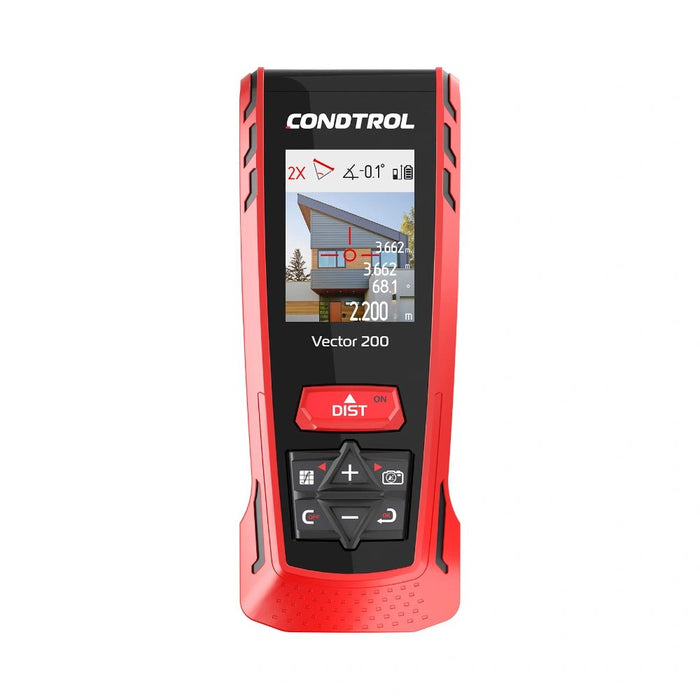
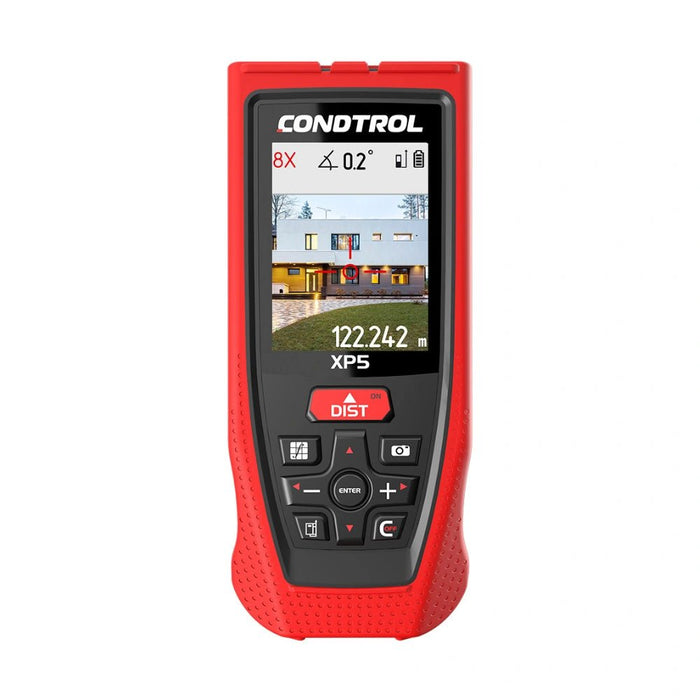
| Building site & professional | Long distances, outdoors, site measurement | 80–200 m, robust, camera if needed | Vector 150, Vector 200, XP4, XP5 |
In short: for a flat, a compact device with basic functions is enough. If you renovate regularly, you need more range and functions. On site, a robust housing, long distances and a convenient aiming aid (e.g. camera) count.
Basics: what really matters?
Data sheets are full of numbers – but in practice only a few criteria decide: range, place of use (indoors/outdoors), accuracy, robustness and additional functions such as area calculation, Pythagoras or Bluetooth.
- Range: are 30–50 m enough for rooms, or do you need 100–200 m for halls and outdoor measurements?
- Indoors vs. outdoors: outdoors, a more readable display, an aiming aid and a higher protection rating make sense.
- Accuracy: manufacturers state a laboratory value – your real accuracy depends on how steadily you hold the device, the surface and the environment.
- Robustness & protection rating: on site, impact-resistant housings and protection against dust/splashing water are important.
- Additional functions: memory, Pythagoras, timer, Bluetooth/smartphone app increase speed and reliability.
Use: flat & house
For tenants, owners and DIY users it is mostly about room dimensions, furniture planning and simple alterations. What counts here is quick access, intuitive operation and good value for money.
Typical tasks: measuring room length and width, wall areas for paint/wallpaper, distances for kitchen runs, curtains or built-in wardrobes.
- Range: 30–50 m is enough in flats and detached houses.
- Functions: distance, area, volume, simple addition/subtraction.
- Recommended devices: Smart 40 (compact, entry level) and Smart 50 Plus (more range and convenience functions).
Tip: if you occasionally measure in the garden or on the facade, choose a slightly higher range – reserves never hurt.
Use: renovation & fit-out
When renovating or fitting out, it is not just about "will the sofa fit?" but about material calculation, ceiling heights, areas and volumes. Here a more capable distance meter pays off.
You regularly measure wall areas for plaster/drywall, ceiling heights for lighting, volumes for heating and cooling loads or material logistics.
- Range: 40–80 m, so that longer corridors, halls and diagonal measurements are covered.
- Functions: area and volume calculation, Pythagoras for heights, memory for series of measurements.
- Recommended devices: Smart 60 (good all-rounder), Vector 60 or Vector 80 for more reserves and convenience.
Depending on the version, models in the Vector series offer additional measuring functions and in some cases a Bluetooth connection, which can make documentation on site much easier.
Use: building site & professional work
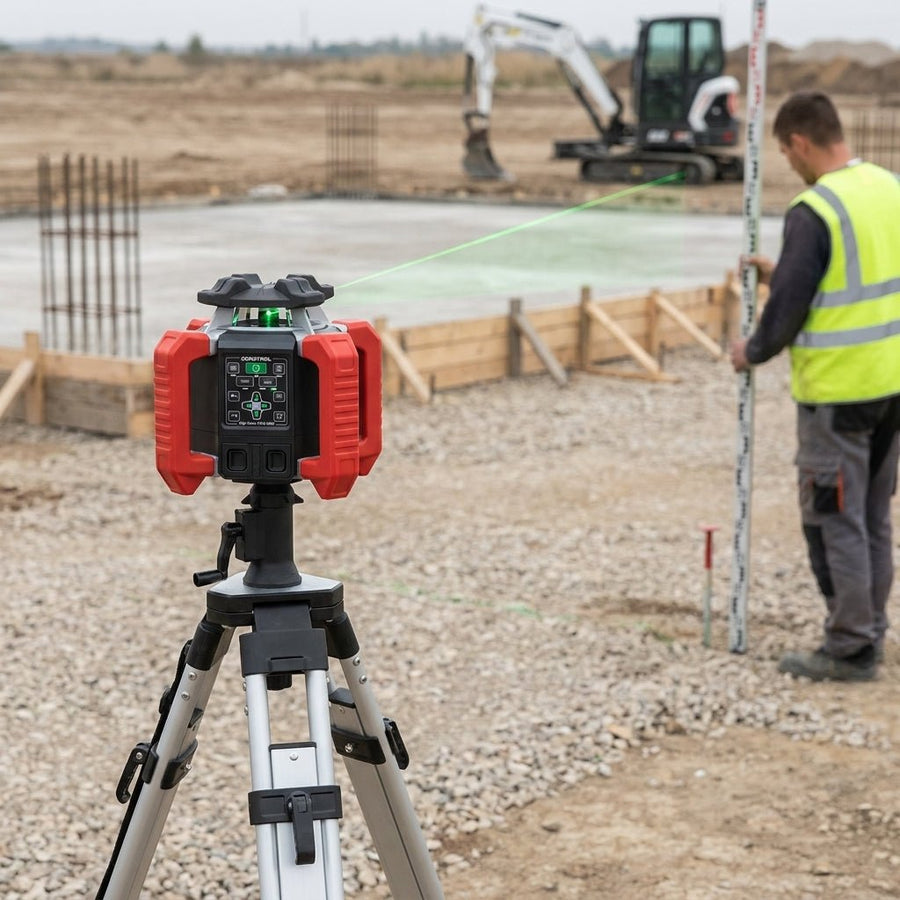
On site it is about range, robustness and speed. You measure distances outdoors, hall lengths, building heights or check measurements for billing and documentation. Tradespeople working commercially in construction often ask which laser measuring devices really stand up to tough site use and professional continuous operation.
This is where distance meters with up to 150–200 m range, a reinforced housing and convenient aiming aids (e.g. camera, zoom) come into play. They are also well suited as an upgrade to an existing site measuring system if you want to use quick laser measurements alongside other measuring devices.
- Range: at least 100 m, ideally 150–200 m for flexible use indoors and outdoors.
- Robustness: a shock-protected design and protection against dust/splashing water help in tough everyday use.
- Functions: Pythagoras, min/max and continuous measurement, timer, memory, camera depending on the model.
- Recommended devices: Vector 150, Vector 200, XP4 and XP5.
The longer the distances and the brighter the surroundings, the more important optical aiming aids, readable displays and accessories such as tripods and target plates become. Compare laser distance meters with camera. A camera helps with aiming; sunlight and the target surface still influence the measurement.
Accuracy, calibration & service
The accuracy stated on the data sheet is a laboratory value under ideal conditions. In reality, transport, knocks, temperature and the surface change the measuring conditions – the actual deviation can be larger.
That is why it is important to briefly check devices before important projects, have them calibrated if a deviation is suspected and carry out regular visual/function tests. Reliable service and calibration secure the reliability of your measurements in the long term.
How-to: the right device in 4 steps
- Clarify the main tasks: note whether you mainly measure at home, during renovations or on building sites – and which distances are typical.
- Define range & environment: decide what maximum distance you need and whether you often work outdoors.
- Choose functions: decide whether basic functions are enough or whether you need Pythagoras, memory, Bluetooth or a camera.
- Compare 2–3 models: pick two or three suitable devices from one category (home, renovation, site) and decide by ergonomics, display and budget.
Typical mistakes when choosing
- Looking only at maximum range: a 200 m device is of little use if you never measure beyond 20 m – ease of use and functions are more important.
- Underestimating outdoor use: if you measure outdoors "now and then", consider the display, aiming aid and protection rating.
- Overestimating accuracy: laboratory values only apply under ideal conditions. Plan safety margins for critical projects.
- Ignoring service and warranty: a cheap device without reliable service can become more expensive in the long run.
Set recommendations
| Use | Device | Features | Direct link |
|---|---|---|---|
| Flat & house | Smart 40 | Compact, easy to use, an ideal basis for home & DIY. | View product |
| Renovation & fit-out | Smart 60 | More range, functions for areas/volumes, ideal for regular projects. | View product |
| Building site & professional | Vector 200 | Long range, extensive functions, for demanding use. | View product |
| Professional with high demands | XP5 | For intensive use, long range and convenience functions. | View product |
FAQ
Which laser distance meter is enough for a flat?
For typical tasks in a flat such as room dimensions and furniture planning, a device with up to 40–50 m range and basic functions is usually enough. Examples are the Smart 40 or the Smart 50 Plus.
When is a professional device worthwhile?
As soon as you are regularly on building sites, work outdoors or measure large halls, a device with longer range, robust design and extended functions such as the Vector 200 or XP5 is worthwhile.
How important is the stated accuracy?
The stated accuracy is a laboratory value under ideal conditions. In practice, how steadily you hold the device, the surface and the environment influence the result. For critical applications, plan with safety margins and check readings for plausibility.
Can I use a distance meter outdoors?
Yes, many devices are suitable for outdoor use. Look for sufficient range, a readable display and an aiming aid if needed. For frequent outdoor measurements, models such as the Vector 150, Vector 200, XP4 or XP5 make sense.
What does Bluetooth or an app connection bring?
Bluetooth and an app connection make digital documentation easier: readings are transferred directly to a smartphone or tablet and can be marked in plans or exported. This saves time and reduces transcription errors.